Occupational Therapy Doesn’t Stop When the Session Ends: Why Daily Practice Matters
By BlackBack Handwriting · October 12, 2026 · Therapy, Special Needs, Writing
As parents, we all want our children to succeed and become as independent as possible. Whether a child is learning to hold a pencil, get dressed, use utensils, improve hand strength, or manage everyday routines, developing new skills takes time, practice, and repetition. Occupational therapy can provide children with the tools, strategies, and guidance they need to make progress, but the real learning doesn't happen only in the therapy room. It happens throughout the day, during everyday activities at home, at school, and in the community.
Occupational therapy twice a week is often not enough without follow-through at home. Think about it this way: if a child practices a skill for 30 minutes during two therapy sessions each week, that is only one hour of practice out of the 168 hours in a week! Therapists can identify challenges, introduce new skills, and show parents how to help, but children need opportunities to practice those skills consistently in their natural environments. Without that carryover, progress may be slower, and children may have difficulty using the skills they learn in therapy during their everyday routines.
The good news is that practicing doesn't have to mean adding another formal therapy session to an already busy day. It can be incorporated into activities that families are already doing. Have your child pull up their pants, zip their jacket, open a snack container, help set the table, squeeze a washcloth, play with clay, or practice drawing shapes and letters. If your child is working on balance and coordination, find opportunities to move, climb, and play safely. If the goal is independence with dressing, allow extra time for your child to try before stepping in to help. Your occupational therapist can recommend specific activities that target your child's individual needs and show you how to make them manageable, motivating, and appropriate for your child's abilities.
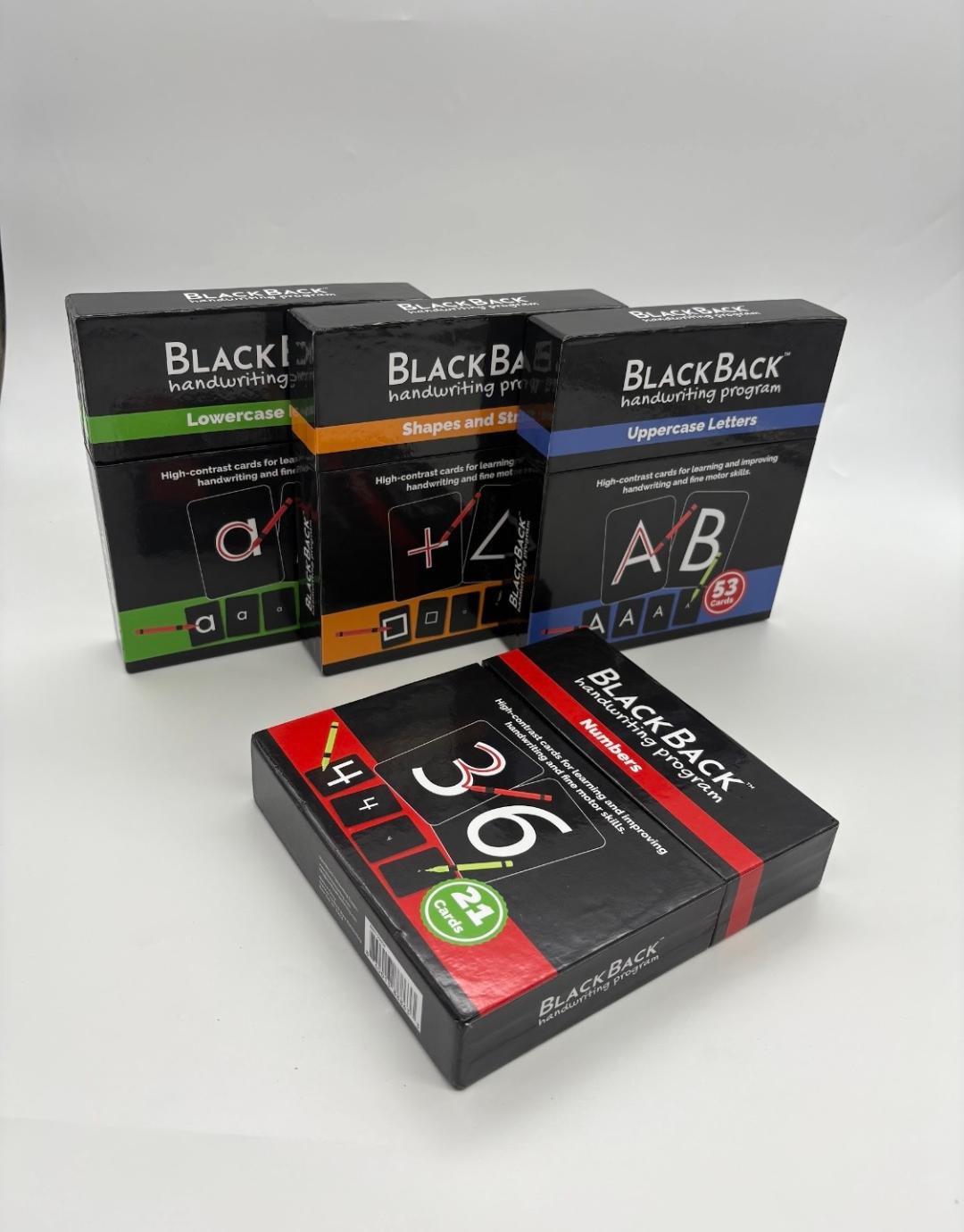
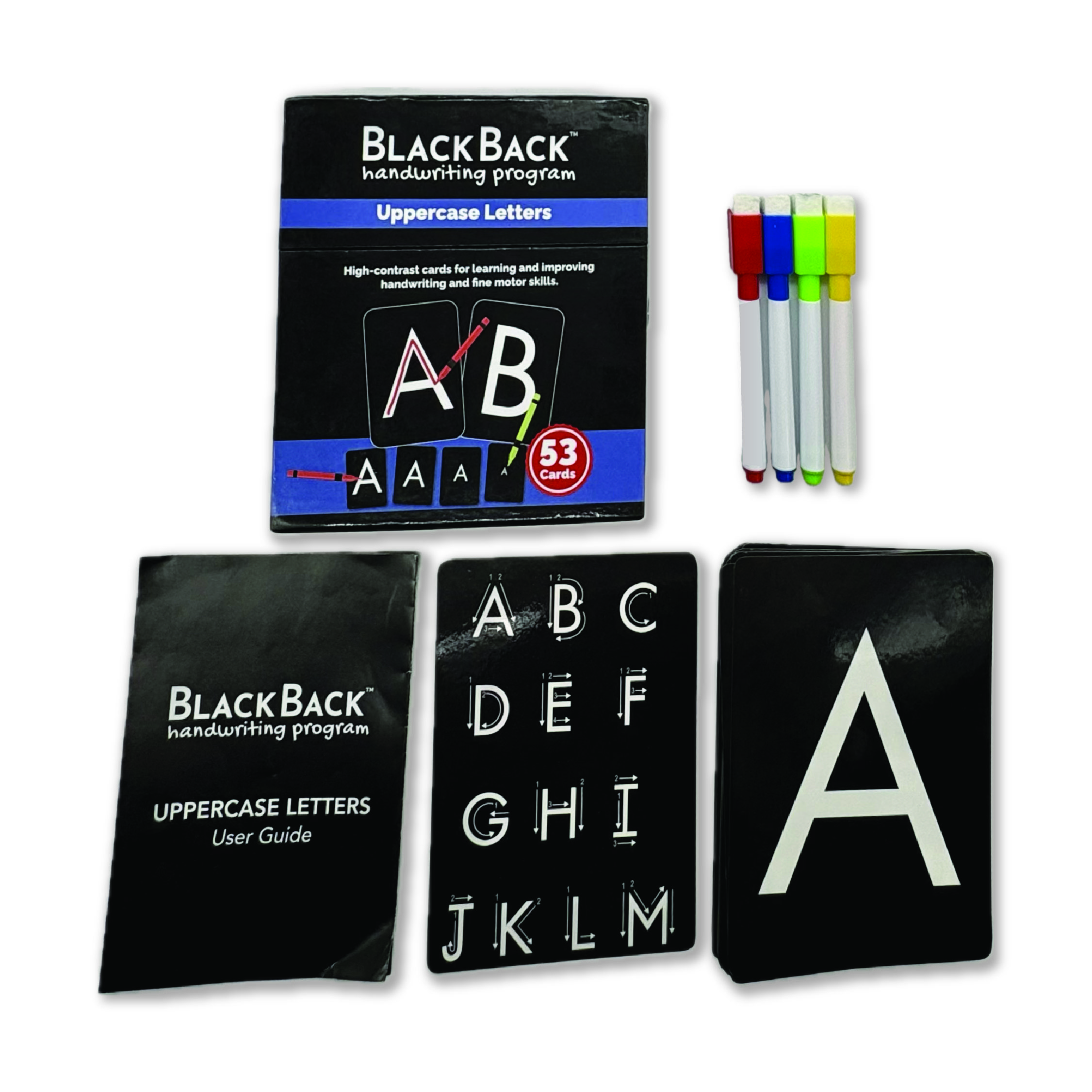
BlackBack Handwriting is an easy way to practice handwriting in between Occupational Therapy sessions.
BlackBack Handwriting was designed to make handwriting practice portable, simple, and engaging. There’s no need to gather paper, worksheets, pencils, and other supplies before leaving the house.
Just grab BlackBack and go!
Children can practice:
✏️ Uppercase letters
✏️ Lowercase letters
🔢 Numbers
🔺 Shapes
🖐️ Fine motor control
👀 Visual-motor skills
✍️ Correct letter formation
📏 Gradually making letters smaller
The reusable cards make it easy to practice again and again, and the compact format makes BlackBack easy to take along wherever your day takes you. All BlackBack Handwriting Products can be purchased at. https://www.blackbackhandwriting.com/
Parents are an essential part of the therapy team! You don't need to be a therapist, and you certainly don't need to spend hours drilling skills. What matters is understanding your child's goals, knowing how to support them, and building small, consistent opportunities for practice into daily life. Ask your occupational therapist what you can work on between sessions, which strategies to use, and how to recognize progress. Remember, therapy provides the roadmap, but every day experiences help children move forward. When therapists and families work together, children have more opportunities to practice, build confidence, develop independence, and use their new skills where they matter most—in real life.
Helene Lieberman MS, OTR/L https://www.blackbackhandwriting.com/